 (412) 829 7711

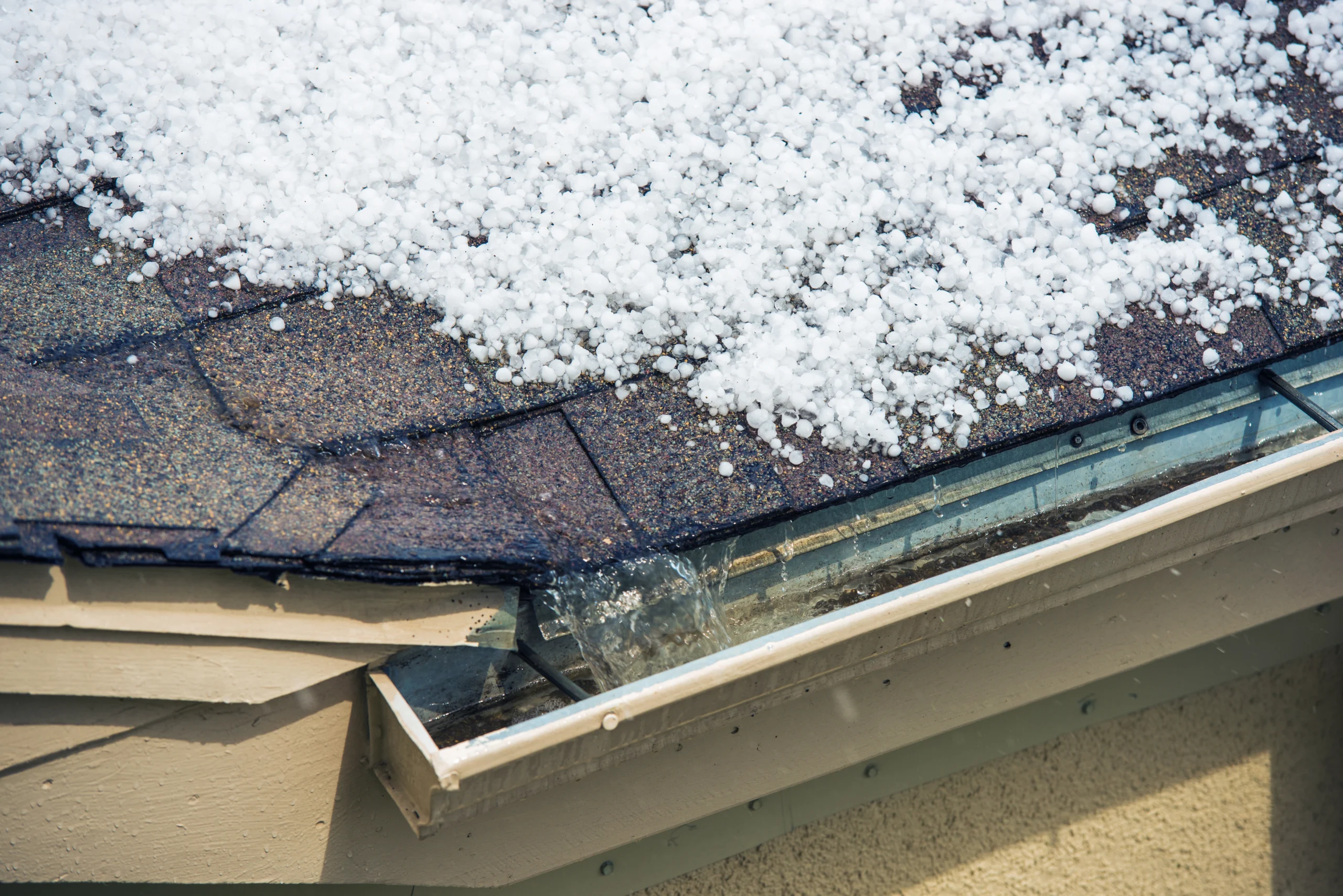
Extreme weather events like storms and even small hail can affect many parts of a home, especially the exterior, with the roof as the first line of defense. If your area has experienced hail, you might be wondering about your roof’s condition, and you should be.
So, how to tell if your roof has hail damage? Spotting the signs of damage is a critical step in keeping your roof secure and safe for you and everyone in the house.
What Does Hail Damage Look Like on a Roof?
Common Signs on Asphalt Shingles
So how to tell if your roof has hail damage? First, it’s good to know that different roof types can show different signs of damage. For instance, asphalt shingles, one of the most common roof materials and susceptible to high-velocity impacts, may show missing granules, dark spots, circular impact marks, soft or bruised areas, cracked shingles, and exposed matting beneath the granules.
Common Signs on Metal Roofing
Metal roofing is durable, but it can still be affected after a storm. While hail may not puncture a metal roof, common signs of hail damage include aesthetic issues. Dents or dimples, scratches, damaged coatings, and bent flashing or trim are some signs of hail damage.
Damage To Other Roof Components
Often the clearest signs of hail damage aren’t found on the shingles. Other components like gutters, downspouts, vents, flashing, and skylights are also as susceptible to hail damage as the roof itself. Look for signs such as clear dents along the metal troughs of the gutter, cracked or shattered roof vents, punctured skylights, and chipped paint or deep gouges on the fascia.
How to Tell if Your Roof Has Hail Damage From the Ground
Look for Granules Around the Home
Before you take a ladder up to the roof to inspect damage, start on the ground around the house. Look for granules scattered near the gutters, along the perimeter of the house. Granules are protective layers of asphalt shingles, and when hail strikes, these minerals can break and get blown away and accumulate below.
Inspect Gutters and Downspouts 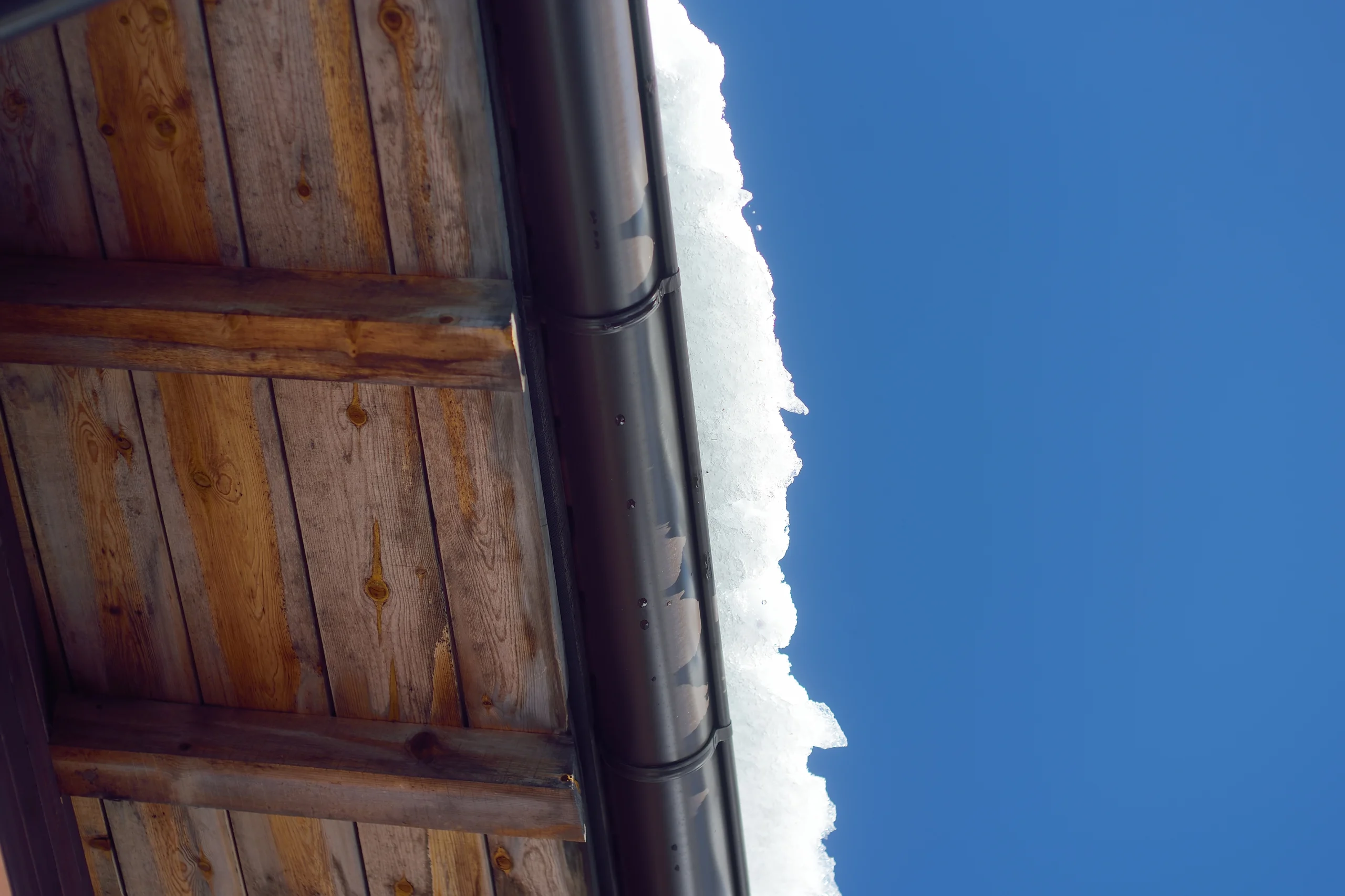
Next, inspect the gutters and downspouts. Heavy hail can leave clear, rounded dimples or craters on the gutter face. A high-impact storm can also cause deep dings and scratches along the metal surfaces of the downspouts.
Check Siding and Exterior Surfaces
Other parts of the house to focus on are the home’s exterior features. They often take a beating during a severe hailstorm. Inspect vinyl or wood siding for fresh splits, cracks, or chips, and check painted surfaces like window trim, decks, or fences for fresh paint chips and exposed raw wood.
Should You Call a Roofer After a Hailstorm?
When a Professional Inspection Makes Sense
Hail damage is often subtle, and that’s exactly when it can become dangerous. Missing this damage can let a minor issue worsen into a major problem. Call in a professional when you notice the following warning signs:
- Visible roof damage
- Missing shingles
- Dents in metal components
- Interior water stains
- Significant hail in the area
- Older roof
Why Professional Inspection Is Helpful
Professional assistance, such as an inspection, is a highly recommended option because experienced roofers have the skills, knowledge, and tools to inspect and repair roofing problems. Many of these roofing tasks can also be dangerous. Hiring a pro to handle roofing issues, such as hail damage repair, can save time and effort and, more importantly, deliver a safe, effective result.
What About Insurance and Hail Damage?
Document the Damage
Your insurance claim depends heavily on the quality of your evidence. Immediately after a storm, use your phone to document any damage you can find, including everything we’ve covered so far in this blog, such as dented gutters, cracked siding, chipped fences, etc.
If you can safely take photos of your roof or downspouts from a window or ladder, do so, but do not take unnecessary physical risks.
Review Your Policy
Carefully review your insurance policy, paying close attention to your deductible structure. Many modern homeowners policies feature a separate, percentage-based “wind and hail deductible” rather than a flat dollar amount, which can significantly impact your out-of-pocket costs.
Also, check whether your roof is covered on an Actual Cash Value (ACV) or Replacement Cost Value (RCV) basis. ACV coverage accounts for depreciation based on the roof’s age and condition, while RCV coverage generally pays the cost of repairing or replacing covered damage with comparable materials.
Roofing Contractor vs. Insurance Adjuster
It’s common to get caught in the middle of a disagreement between your independent roofing contractor and your insurance adjuster. Avoid this at all costs to prevent more headaches.
Choose a reputable roofing contractor who works for you and thoroughly documents every storm-related damage to ensure your home is restored to a safe, structurally sound condition. You can also ask your roofing contractor to be present when insurers inspect, so you have an expert to ensure all damage is accounted for.
Frequently Asked Questions About Hail Damage
What does hail damage look like on a roof?
Hail damage can cause dents, bruising, missing granules, cracks, exposed asphalt, or damaged metal components.
How can I tell if my roof was damaged by hail?
Look for dents in gutters, granules near downspouts, damaged siding, missing shingles, and interior signs of water. A professional inspection is the best way to confirm roof damage.
Can hail damage a roof without causing a leak?
Yes. Hail can weaken shingles or remove protective granules before a leak appears.
Does hail damage always mean I need a new roof?
No. The right solution depends on the extent of damage, roof age, roofing material, and overall condition.
How soon after a hailstorm should I have my roof inspected?
As soon as it is safe, especially if there was significant hail or you notice visible exterior damage.
Can JP Roofing repair hail damage?
Yes. JP Roofing can inspect the roof, explain the damage, and recommend repair or replacement options based on the condition of the roofing system.
If your house experienced a storm, don’t wait to inspect for any damage. Do it right away. If you need any assistance in doing so, call JP Roofing. Our team of professionals will help solve any issues in a timely, safe, and effective manner.
Recent Comments