 (412) 829 7711
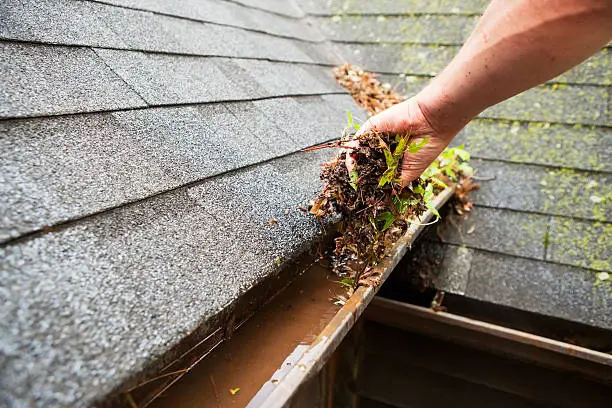
A clogged gutter downspout can lead to serious damage around your home if left untreated. Here’s how to clean gutter downspout and help keep water flowing properly.
Why Cleaning Your Gutter Downspouts Matters
Your gutter downspout is the primary passageway for water to flow from the roof safely to the ground and away from the house. So just imagine if this access is blocked.
First, you’ll have standing water that, over time, will put weights and enormous pressure on gutters, which can result in serious damage. Making sure that the water on the roof can keep flowing smoothly prevents damage to the roof and gutters.
Downspouts also play an important role in directing water away from the house. If there’s an issue such as a blocked gutter downspout, water can pool near the foundation and lead to erosion, cracks, or basement leaks. All these issues, if left unaddressed, can lead to other problems you certainly don’t want: creating the ideal conditions for pest and mold growth.
Signs Your Downspout Is Clogged
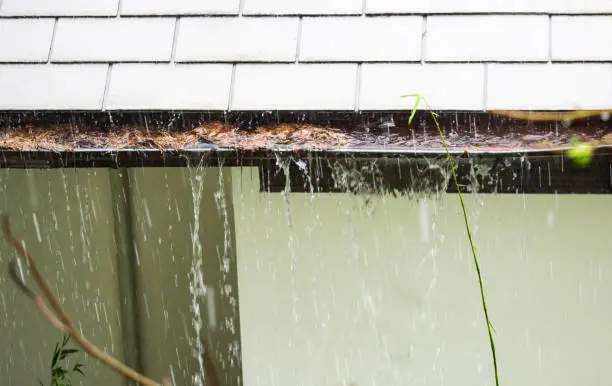
So what are some signs of a clogged downspout? The good news is that they’re all easily spotted. The first sign is water overflowing from the gutters. When this occurs, it can only mean one thing: something is blocking the passage, causing the water to overflow.
Second, there is slow drainage after rainstorms. If you see the drainage system struggling to drain, more likely than not, your downspout is clogged. Third, there is visible debris in the downspout opening. Debris accumulation means it can’t go through the pathway, which can happen due to clogged gutters.
Lastly, the downspout is pulling away from the house. This is a stage you want to avoid, as it indicates structural damage has occurred. Downspout pulling means the pressure has taken its toll, causing the fasteners to loosen and the downspout to pull away from the wall.
How to Clean Gutter Downspouts: 5 Methods That Work
Method 1 – Flush the Downspout With a Garden Hose
The first method is the simplest way to unclog a gutter downspout. Grab a garden hose, insert it as far down the downspout as possible, turn the water to full, and start flushing the downspout. This particular method is effective for addressing light clogs and routine maintenance. You may need to do it several times until it’s fully cleared. If a more serious blockage is present, opt for the second method instead.
Method 2 – Use a Plumber’s Snake or Drain Auger
A plumber’s snake or drain auger is an effective way to unclog stubborn debris lodged deep in the downspout. It works by breaking up or chewing the debris until it’s small enough to drain effectively.
Start by feeding the cable from the top or bottom of the downspout until you encounter resistance (the blockage), then turn the snake’s handle clockwise to begin operation. Once it’s done and the clog is broken, use a hose to flush the remaining debris out of the downspout.
Method 3 – Remove the Downspout Elbow
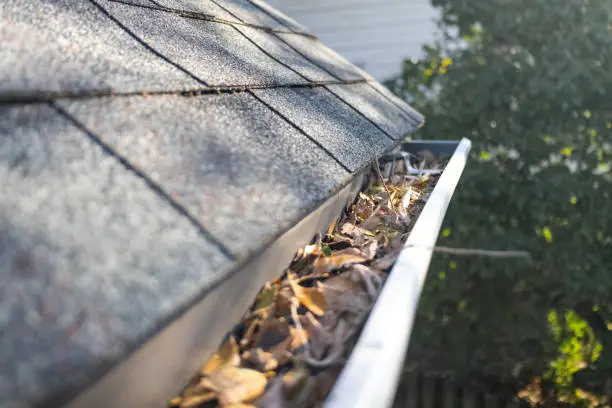
Many clogs occur at the elbow joint, which would require you to unscrew the elbow section and clear the debris. Dislodged the debris by using a hose, tapping the pipe, shaking the debris, or using a stiff wire. When engaging this method, make sure to do it safely by using a ladder with someone holding it and wearing proper gloves.
Method 4 – Use a Wet/Dry Shop Vacuum
If the problem is caused by dry blockages located near the top, method 4 of using a wet/dry ship vacuum is an effective solution. Insert the vacuum from the top and, using your hand or a rag, create a tight seal to maximize suction. You may also want to use safety glasses just in case debris shoots out of the downspout or vacuum exhaust.
Method 5 – Tap and Loosen Debris
Clearing the downspout can be as simple as tapping the side of the downspout to loosen packed leaves and dirt. Then follow up by spraying water from a garden hose at maximum pressure (top or bottom) to break up blockages and clear the pathway.
Preventing Future Downspout Clogs
Cleaning the gutter can be a lengthy task, and damage to the system can be costly. So, how do you prevent experiencing both? The key lies in installing extra protection and maintaining regular inspection and upkeep.
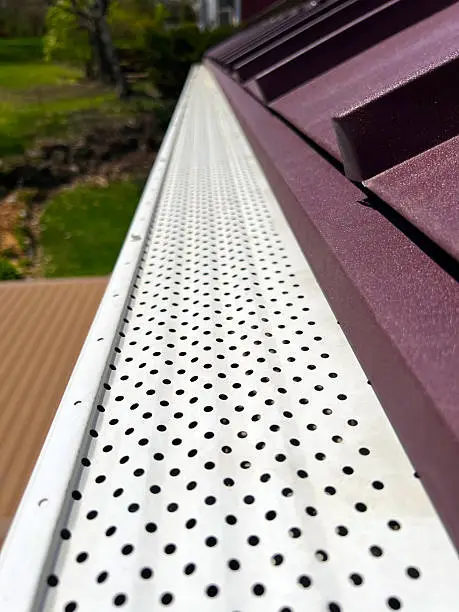
One of the most effective preventive steps is to install gutter guards. They’re protective covers installed over the gutters to block debris while still allowing water to flow freely into the system.
Next, schedule seasonal gutter cleaning to ensure your gutters are free of debris and damage, especially before and after seasons with harsh weather. Additionally, you want to inspect your gutter after extreme weather, such as heavy snow and major storms. These steps will ensure your gutters and downspouts are always in prime condition and help prevent serious damage.
Finally, if your house is surrounded by trees and branches are close to the roof, you want to regularly trim them to minimize the chance of branches and leaves landing on the roof or in the gutter.
FAQs: How to Clean Gutter Downspouts
How often should I clean my gutter downspouts?
Most homes should have gutters and downspouts cleaned at least twice per year, especially after fall leaves and spring storms.
What is the easiest way to clean a gutter downspout?
Flushing with a garden hose is the simplest method for minor clogs.
Can clogged downspouts cause roof leaks?
Yes. Water backup can overflow into the roof edge and cause leaks or fascia damage.
Do gutter guards stop downspout clogs?
They reduce debris buildup but do not eliminate the need for occasional cleaning.
When should I call a professional for gutter cleaning?
If water is pooling near your home, gutters are sagging, or clogs keep returning, professional service is recommended.
Recent Comments