 (412) 829 7711
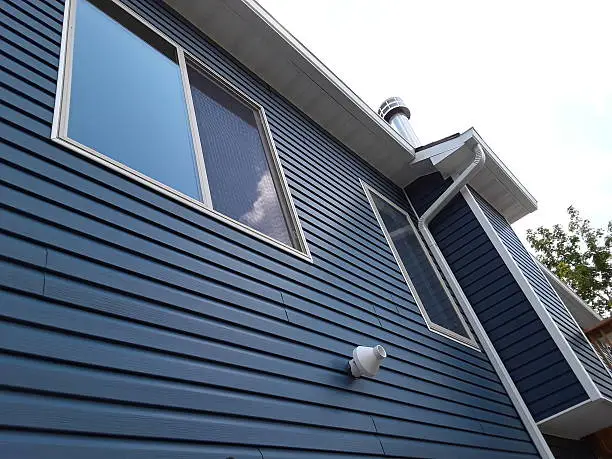
Siding is one of the most important parts of a house. It covers the vertical outside walls, protecting them from elements like rain and pests, as well as providing insulation. There are many kinds of siding to choose from, but today we’ll compare two that are both sought after for their respective benefits: vinyl vs. Hardie board. So without further ado, let’s dive in.
What Is Vinyl Siding?
You’ve probably heard of vinyl siding as it’s one of the most popular options in the siding market, and for good reason. While designed to help protect your home from the elements, it also gives it a clean, attractive look with a lot of different colors and styles. Made out of polyvinyl chloride (PVC), it’s known to be resistant to rot and insects, making it a practical choice for homeowners anywhere.
Common Types Of Vinyl Siding
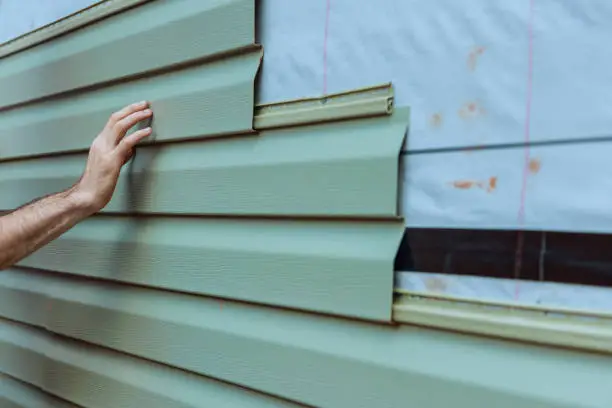
Traditional Lap: This is probably the first style that comes to mind when you think of vinyl siding. The slightly curved profile does create more noticeable shadow lines, adding some depth and a little more visual interest to the home’s facade.
Vertical Siding: This one features panels that go from top to bottom, typically seen on modern and farm-style homes. It aspires for a clean and basic style, while giving the sense of a spacious home from the outside.
Dutch Lap Siding: At first glance, Dutch lap siding looks similar to traditional lap siding. However, its slightly curved profile creates more noticeable shadow lines, adding depth and a bit more visual interest to the home’s facade.
Shake Siding: Shake siding, which is designed to look like traditional cedar shakes, gives texture and character to the exterior of a house. Usually used on gables, dormers and other areas to provide contrast.
Board and Batten: This last type consists of wide vertical panels with narrow strips, known as battens, that cover the gaps between the panels. Thanks to its simple and structured appearance, it is often used in contemporary designs.
Why Homeowners Choose Vinyl Siding
For many homeowners, vinyl strikes a good balance between appearance, durability, and cost. Obviously, the biggest advantage is that it requires very little maintenance and is resistant to issues such as rot, insect damage, and moisture-related deterioration. Moreover, thanks to its wide range of colors, profiles, and textures to choose from, vinyl can easily complement your home’s design–whether you prefer traditional or something more modern.
What Is Hardie Board Siding?
Overview of Hardie Board
This siding is best known for its ability to withstand harsh weather due to its composition — a mixture of sand, cement, and cellulose fibers. Though strength is the main characteristic, the appearance itself looks exactly like conventional wood, giving you a timeless, premium look without the upkeep costs of the real thing.
Popular Hardie Board Styles
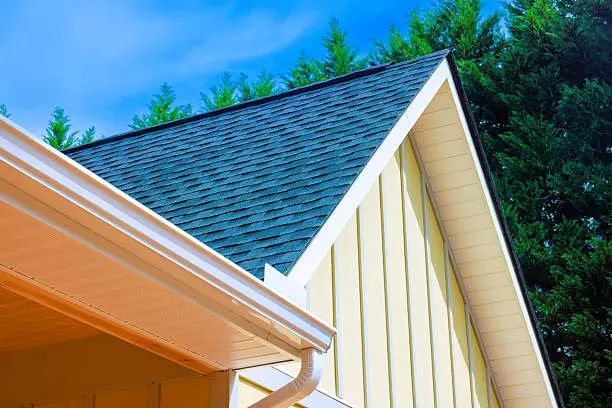
HardiePlank Lap Siding: This type is the most common Hardie Board style you’ll see on many homes. Like the traditional vinyl counterparts, it features horizontal boards that create the same classic look for both modern and traditional homes.
HardiePanel Vertical Siding: Much like the vertical vinyl, the run-from-top-to-bottom look will bring an accent to add visual interest and give your home a more modern or farmhouse-inspired appearance, whichever you aim to.
HardieShingle Siding: This siding is an attempt to replicate cedar shingles. Commonly used on gables and accent walls, this particular style will add texture and character to the exterior of your home.
Stucco Panels: If you prefer the look of stucco but want the durability of fiber cement, Hardie also offers stucco-like panels that work particularly well on Southwestern and Mediterranean-style homes.
Why Homeowners Choose Hardie Board
Undoubtedly, the greatest selling point of Hardie Board is its sturdiness in withstanding harsh weather, resisting pests, and holding up well over time. Another major selling point is the close resemblance to real wood, offering a more premium, traditional look. Even though it may cost more, many homeowners see it as a worthwhile investment.
Pros and Cons of Vinyl Siding
Benefits of Vinyl Siding
The main benefit of vinyl siding is that it gets the job done without stretching the budget. It’s generally less expensive to install than many other siding options. Also, the costs stay manageable over the years as it requires very little upkeep. A quick cleaning every now and then is often all that’s needed to keep it looking good.
Potential Drawbacks
That said, vinyl siding isn’t perfect. While vinyl siding is durable, it can still crack or become damaged from strong impacts, such as flying debris during a storm. Lastly, vinyl also doesn’t give the same ‘premium’ impression as is given by Hardie board, and prolonged exposure to sunlight may also cause the colors to fade over time.
Pros and Cons of Hardie Board
Benefits of Hardie Board
Hardie Board, on the other hand, brings the benefit of durability to the table. It’s designed to handle tough weather while maintaining its classic, wood-like finish for years without the maintenance of the real wood. On top of that, Hardie Board is known to be resistant to pests, rot, and fire, making it a reliable and long-lasting siding option for long-term investment.
Potential Drawbacks
First, Hardie Board is often more expensive than vinyl siding. Since the material is significantly heavier, the installation is often more demanding and may require specialized tools. Another point is that it is often viewed as a low-maintenance siding option, although it is not free from it. Instead, you’ll need to refinish the finish every once in a while to maintain it looking its finest.
Vinyl Siding vs Hardie Board: Key Differences
Cost Comparison
Now going head-to-head on cost, vinyl siding comes out as the more affordable option. Vinyl is a popular choice for homes on a budget, as it is generally cheaper to purchase and install. Hardie Board, on the other hand, costs a little more initially. Still, the enhanced durability and upscale design make the higher cost worth it for some.
Appearance and Curb Appeal
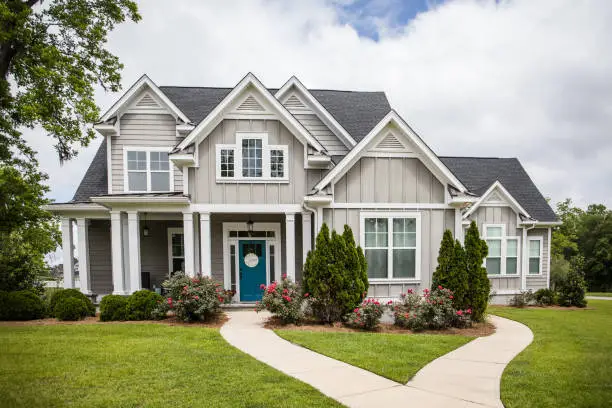
Honestly, both have plenty to offer when it comes to appearance. Vinyl siding with all its different colors and styles, and Hardie Board with its realistic wood-like appearance. Either one is great for your home’s curb appeal—it’s just a matter of personal taste and the overall look you want to achieve.
Durability and Weather Resistance
Durability-wise, Hardie board wins. By their thickness, they are tough and very resistant to fire and weather. Hardie board can last 50+ years with regular maintenance. In addition, hardie weather is known to be immune to pests. Meaning, insects avoid it.
Maintenance Requirements
In the maintenance department, vinyl siding has much easier tasks to follow. They require minimal maintenance, ideally occasional washing and no repainting. Hardie board, on the other hand, needs painting every 10-15 years and inspection of its joints to ensure it’s still secure.
Energy Efficiency
In terms of efficiency, there’s no clear winner in the vinyl siding vs hardie board. Whichever is your pick—whether vinyl or Hardie Board–will improve your home’s overall energy performance by protecting your home from the outside weather. The most important thing is to combine them with insulated siding products.
Lifespan and Longevity
Hardie Board is known for its longer lifespan and ability to withstand wear and tear over time, but that doesn’t mean vinyl siding can’t last for decades. Luckily, you can expect many years of performance from either one. In fact, both options can last long when properly installed and maintained.
Which Siding Option Is Best for Pittsburgh Homes?
If affordability is your goal, then you’ll want to go with vinyl siding. Vinyl is less expensive to purchase and install than Hardie Board and requires little maintenance. That said, a lower price does not mean lower quality. Vinyl siding, when installed correctly, can add years of durability, curb appeal, and value.
If you are considering vinyl siding vs Hardie board, then those looking for long-term durability should go with Hardie board. They are strong and thick and resistant to many dangers, such as weather and pests. With good upkeep, you’re looking at 50+ years before needing to replace.
Call JP Roofing for all your siding needs. In addition to a wide variety of options, we offer installation and repair services to ensure your home is well-protected in the long term.
FAQs
Is Hardie Board better than vinyl siding?
In the end, it comes down to what you value. Hardie Board is more durable, and vinyl siding is cheaper and requires low maintenance.
Does vinyl siding last as long as Hardie Board?
Both can last for decades, but Hardie Board is generally considered the more durable option.
Which siding is more affordable?
Vinyl siding is typically the one.
What siding is best for Pittsburgh’s weather?
Both are good in Pittsburgh’s changing weather. But Hardie Board is often the choice for its durability in harsh weather.
Does Hardie Board require maintenance?
Yes. It’s fairly low maintenance, but it does have to be repainted every now and then.
Can vinyl siding improve energy efficiency?
Yes, when paired with insulated siding products, they can reduce heat loss and improve your home’s overall thermal performance.
Recent Comments