 (412) 829 7711
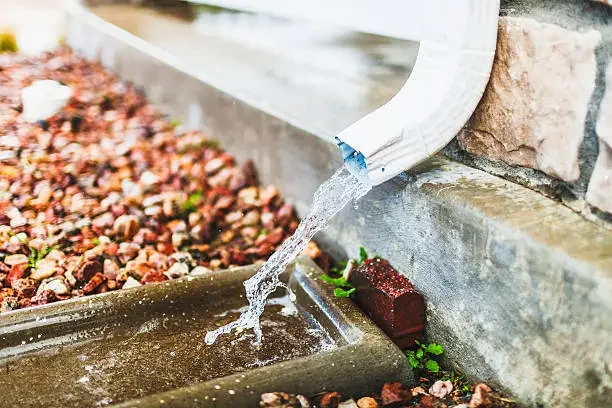
The roof is the highest point on the house, serving as the first line of defense against rain, ice, or other debris. In the roofing system, roof drainage plays a crucial role in protecting the roof’s longevity and, subsequently, the house from water-related hazards such as leaks. Read on to learn what a roof drainage system is and how it offers great benefits to your house.
Why Roof Drainage Matters
Protecting Your Home’s Structural Integrity
With a proper roof drainage system in place, you establish a path for water to flow, keeping it from entering the house and gathering on the roof, which can eventually lead to leaks or rot. Roof drainage also relieves pressure on your roofing materials by immediately diverting water away rather than allowing it to pool and remain exposed for extended periods, which degrades materials and stresses the roof overall.
Avoiding Foundation and Basement Issues 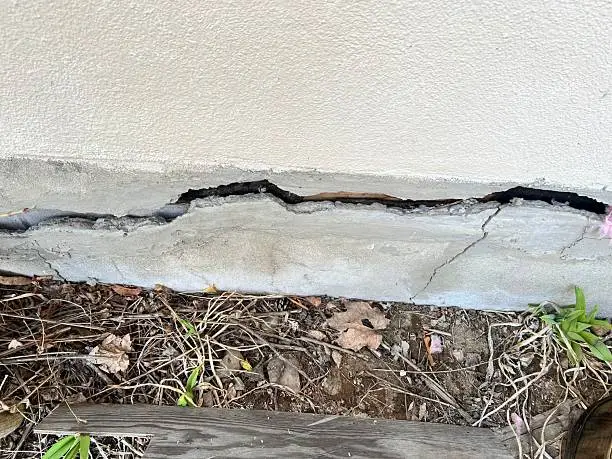
An improper drainage system can cause water to run off near foundations. This occurs when water overflows due to system failure, whether the drainage is blocked or improperly installed. What could be the result of such a situation? Cracks, mold, and a weakened basement foundation are all possible outcomes. Installing an effective drainage system prevents the water on the roof from overflowing and keeps your foundations dry and clean.
Preserving Landscape and Exterior Features
Other major issues that can result from uncontrolled water flow include eroded soil, damaged flower beds, and stained siding. As the water flows down from the roof, it washes away topsoil, creates gullies or bare patches in landscaping, and harms plants.
As you can see, a seemingly small issue can lead to costly and arduous work. Roof drainage systems help preserve much of the house, including landscaping and other exterior features.
Types of Roof Drainage Systems
Gutters and Downspouts
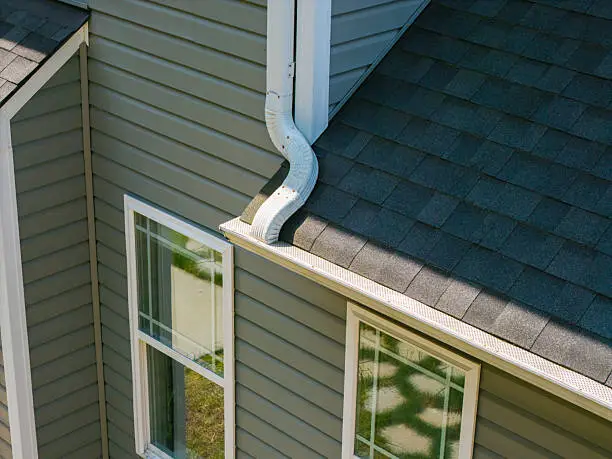
Gutters and downspouts are the most common roof drainage systems, used in residential houses and many low-slope roofs. Gutters and downspouts are a reliable, easy-to-install, cost-effective system.
The gutters, which are the horizontal troughs along the eaves, collect runoff from the roof, direct it to the vertical downspouts, which then carry the water safely away from the foundations. Gutters and downspouts also come in a variety of materials and designs, making them a perfect option for homeowners looking to maintain their desired aesthetics.
Scuppers
Scuppers are channels installed into the roof edges or parapet walls. The system allows water to flow through an opening into a downspout, a conductor head (decorative rain collector), or directly away from the building. Many homes with flat or low-slope roofs, as well as modern residential buildings, utilize scuppers. One downside, however, is that they may need an extra extension installed to direct water away from the walls.
Internal Drains
As the name suggests, internal drains are built into the roof structure and are common in commercial and flat-roof buildings. They’re connected to concealed pipes that carry water through the building to an exterior outlet. Internal drains are also equipped with baskets to catch debris and prevent clogs. They’re also popular for their aesthetic appeal and efficiency in large areas.
Common Roof Drainage Problems (and How to Spot Them)
Clogged Gutters and Downspouts 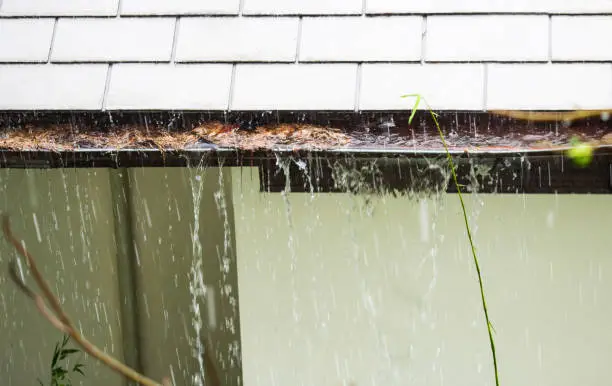
Standing water and clogged gutters can contribute to roof leaks by trapping moisture and allowing water to seep under roofing materials. This particular issue can be indicated by overflowing gutters and water spilling over the edges. If you spot these signs, you want to resolve them as soon as possible because they can cause damage to the fascia, roof leaks, and foundation erosion.
Poor Gutter Slope or Improper Installation
If you see standing water in your gutters, it could be due to a poor gutter slope or incorrect installation; watch for puddles or slow-draining parts, especially after rain. Standing water adds weight to the brackets and fascia, which, if ignored, can cause rusting, sagging, and poor water drainage.
Ice Dams in Winter
Pittsburgh’s winter can be harsh, with significant snowfall and freeze-thaw cycles. This particular climate poses hazards, especially to the roof. Ice dams in winter are common and can be caused by inadequate insulation and poor drainage. Preventive measures include upgrading insulation, installing heat cables along eaves and gutters, and maintaining clean, debris-free gutters.
Roof Ponding (Flat Roofs)
Roof ponding, which is common on flat roofs, occurs when water collects and fails to drain fully. These persistent problems, if left unchecked, can lead to membrane damage, which can cause cracks and leaks, as well as structural damage. Look for low spots, debris around scuppers or internal drains, or visible “ponds” with debris rings or discoloration marking prolonged moisture.
How JP Roofing Helps with Roof Drainage
As you can see, roof drainage systems are critical for protecting your home from water damage, such as leaks, cracks, eroding soil, and damaged plants. To avoid these stressful situations, install the proper roof drainage system today.
JP Roofing provides comprehensive installation services, as well as other drainage solutions, to meet your budget and needs.
Custom Drainage Solutions
JP Roofing offers tailored drainage systems based on your preferences and needs. Our solutions also take into account your roof’s style and slope, as well as Pittsburgh’s weather patterns, so they can effectively cope with all weather-related hazards, ensuring maximum protection and durability.
Full-Service Gutter Installation and Repair
As you’ve learned in this article, one common roof drainage problem stems from poor gutter installation. When you choose JP Roofing, rest assured that professionals will handle your roof gutter installation with years of experience and extensive knowledge.
If repairs are what you’re looking for, our team can inspect and fix anything from minor to major roof problems, ensuring your roof’s integrity is back to prime condition.
Roof Repair and Maintenance Plans
The best remedy to prevent roof issues is regular maintenance. JP Roofing provides comprehensive maintenance plans that include inspections, cleaning, and early issue resolution to prevent problems from becoming more significant and costly. Our team has all the tools and skills needed to perform safe, effective procedures.
Concerned about your roof drainage? Contact JP Roofing today for a free inspection and expert recommendations tailored to your home.
FAQs About Roof Drainage
How often should I clean my gutters?
To keep gutters clean and free of debris, you should clean them regularly—at least twice a year. However, if you have heavy tree cover, which can result in more falling debris, cleaning more than twice a year is ideal.
Can poor drainage cause roof leaks?
Absolutely. Standing water and clogged gutters are the leading causes of roof leaks. That’s why you need a drainage system to get the water safely off the roof.
Do flat roofs need gutters?
Not always. Many use scuppers or internal drains. However, proper drainage is still essential to prevent issues such as roof ponding.
What’s the best drainage system for my roof type?
Deciding which drainage system to use depends on your roof’s slope, material, and structure. Contact JP Roofing for a free assessment.
Recent Comments